MetaLife Metaverse
Immersive learning experiences built on extended reality and AI, including the Egypt VR game and a mobile virtual-reality lab.
DetailsExtended reality is not a technical luxury; it is a new way to live an experience rather than read about it. Here I share articles and experiences from the MetaLife Metaverse project: from the virtual-reality simulation of the Temple of Abydos with the Egypt Exploration Society, to the Islamic rituals simulation for education and awareness, immersive children’s content and virtual conferences, and how these technologies can transform education, culture and tourism.
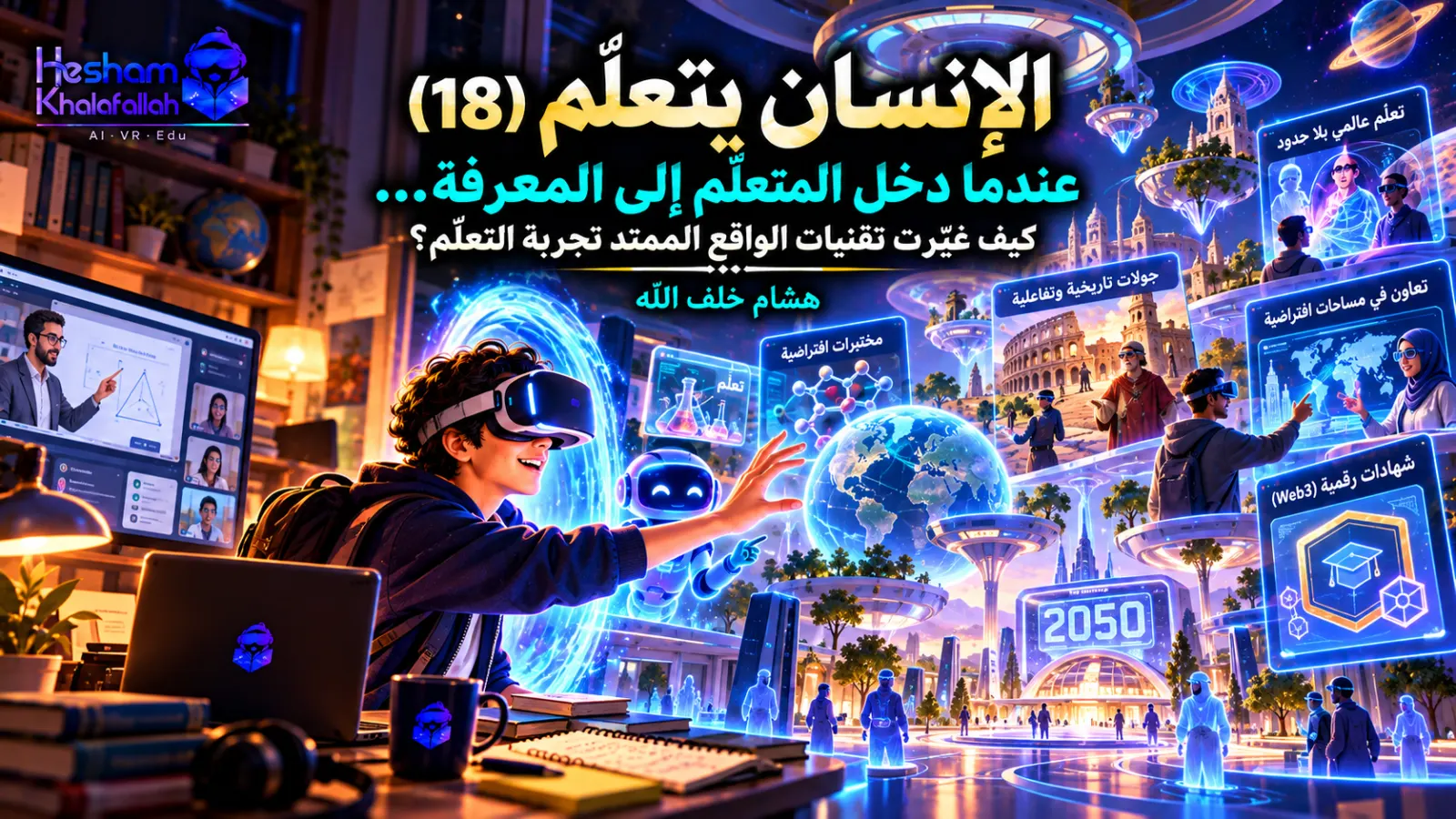 When the Learner Stepped Inside Knowledge… How Did Extended Reality Change the Learning Experience?
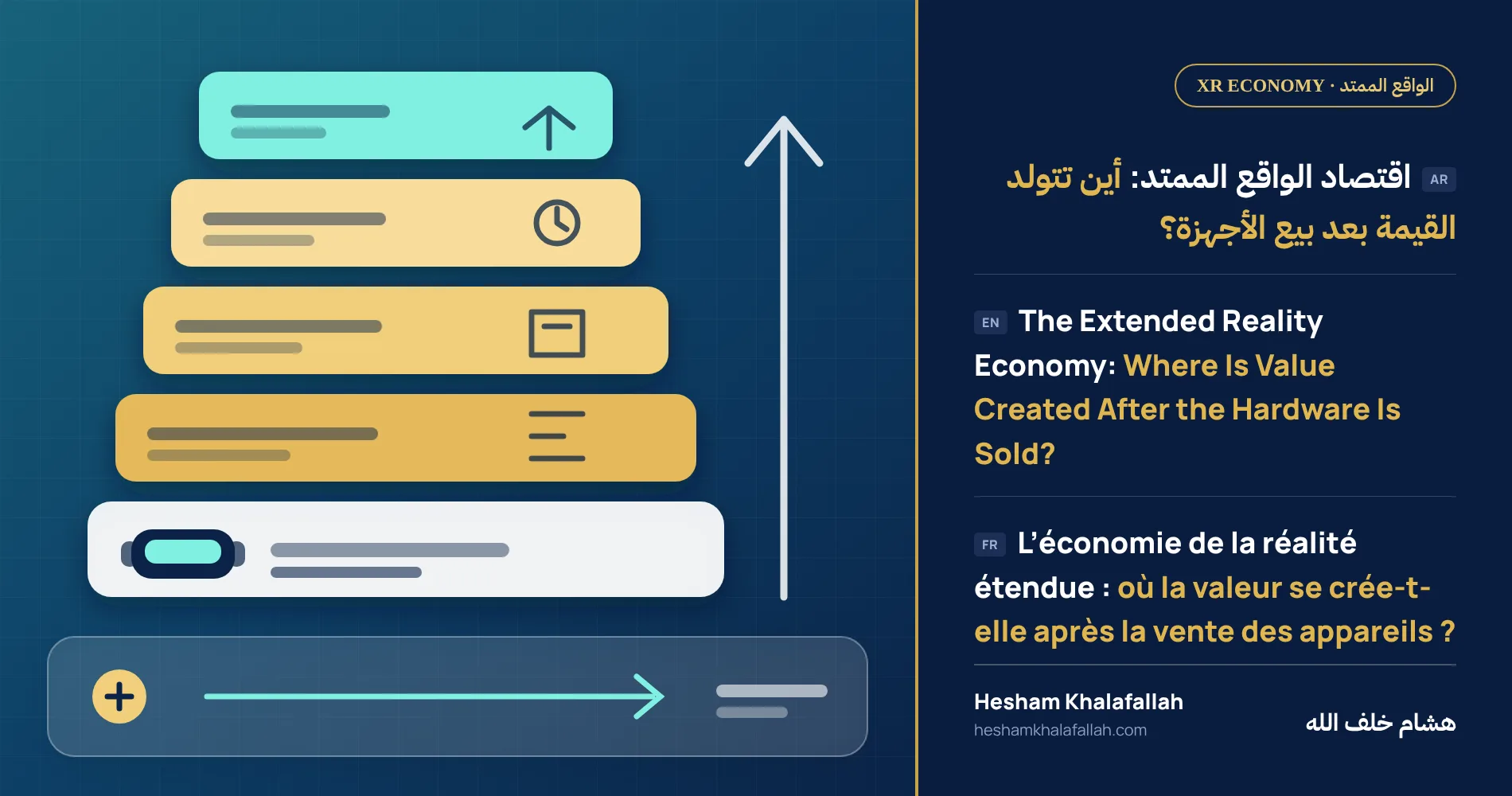 The Extended Reality Economy: Where Is Value Created After the Hardware Is Sold?
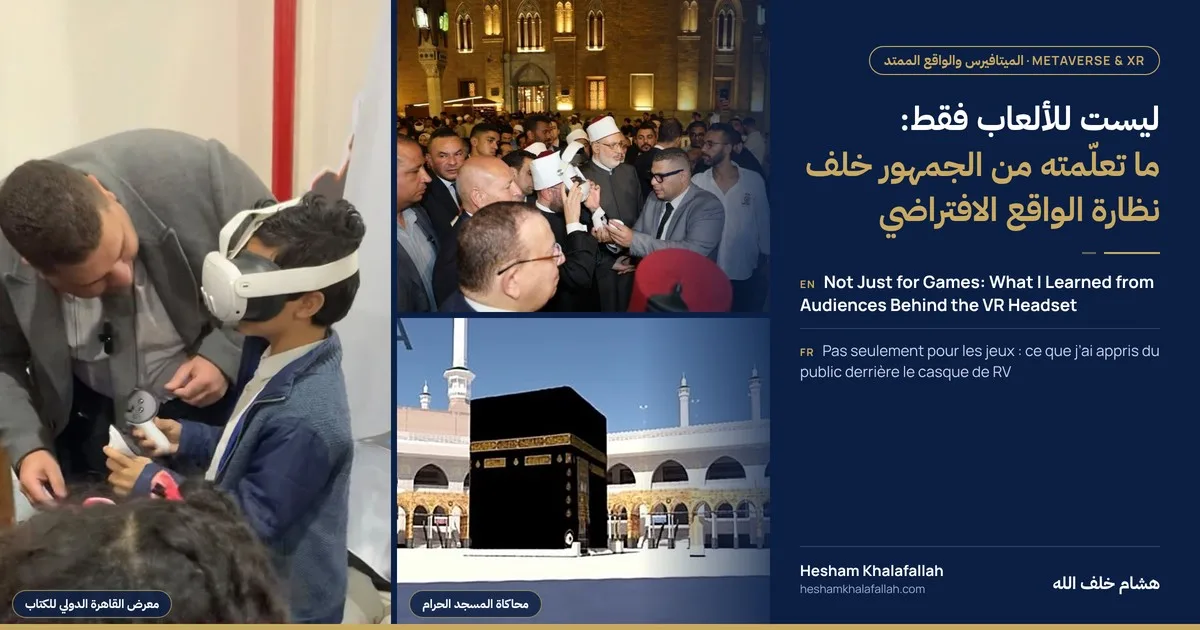 Not Just for Games: What I Learned from Audiences Behind the Virtual Reality Headset
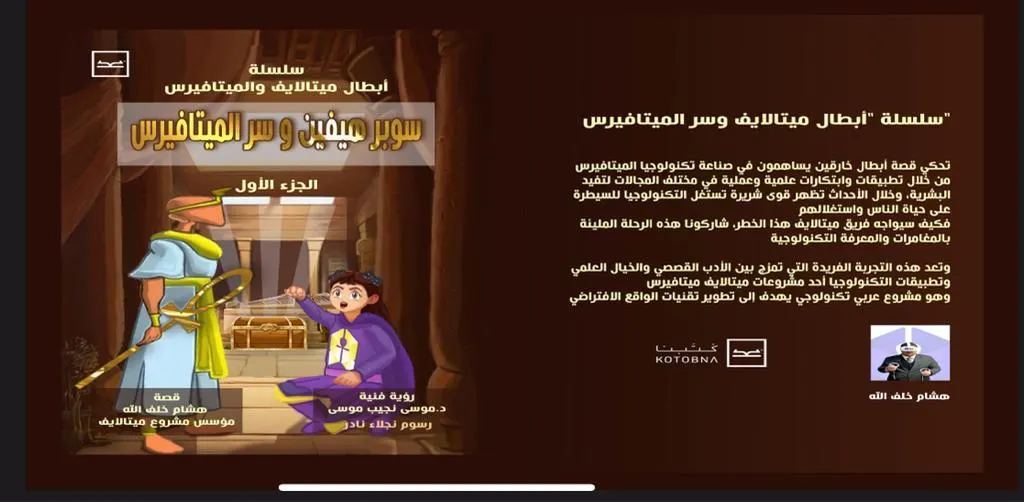 From Luxor to the Metaverse: How the Idea Behind "MetaLife Heroes" Was Born
Immersive learning experiences built on extended reality and AI, including the Egypt VR game and a mobile virtual-reality lab.
DetailsAn interactive virtual and intelligent simulation of Islamic rituals that brings together education, awareness and an immersive experience.
DetailsAn initiative creating Arabic children's content inside virtual reality and metaverse environments, with characters and stories that blend fun, learning and values.
Details